Eastern DRC’s Perilous Transition: Setting priorities for Civilian Protection Beyond MONUSCO Disengagement
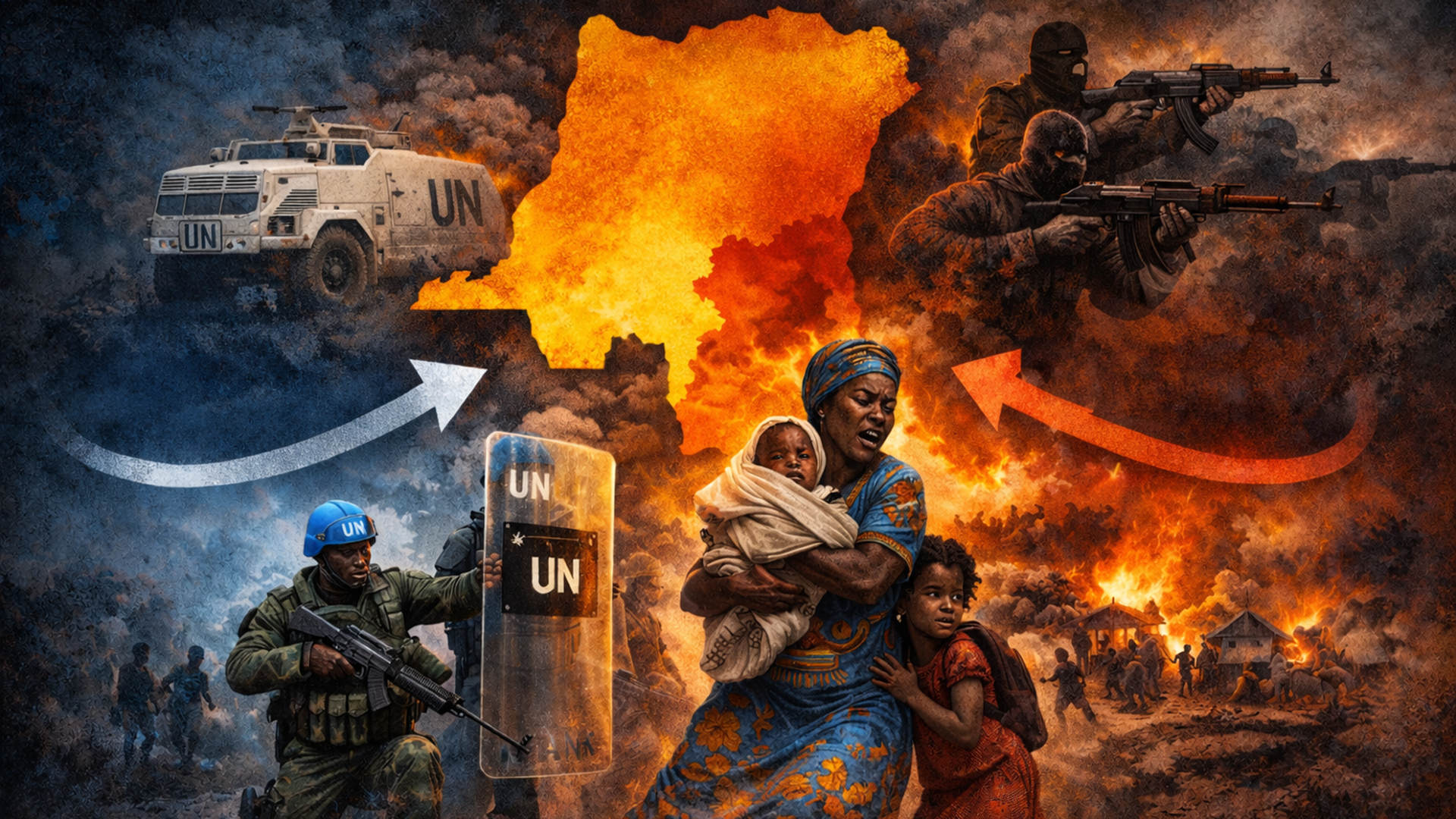
Concerns about civilian safety linger as MONUSCO- the United Nations Organization Stabilization Mission in the Democratic Republic of Congo winds up its operations in the war-torn Eastern DRC. MONUSCO will cease operations on December 20, 2024, at the request of President Felix Tshisekedi. Tshisekedi ostensibly accelerated its withdrawal in 2023, accusing the UN of failing to ensure Congo’s peace and citizens’ protection from armed groups. Theconflict has since displaced 6.9 million people and resulted in 6 million deaths since 1996.
Consequences of MONUSCO’swithdrawal
Any mission retreat hurts civilians the hardest. Despitechallenges, MONUSCO has successfully protected civilians through patrols and convoys, sometimes using protected areas as buffer zones or aid distribution hubs. With its exit however, local forces may struggle to protect citizensdue to limited resources. Access to basic UN mission services may cease as humanitarian actors may pack and leave too due to security concerns. The humanitarian situation in the Democratic Republic of the Congo is predicted to worsen without UN supervision.
The UN’s hastened withdrawal from Congo could potentially reverse the progress made by its current and past missions. Humanitarian players may leave due to safety concerns, while those remaining may face security hurdles in carrying out their duties. The UN’s direct oversight role over these missions will also be lost. Moreover, the DRC is the second African nation after Mali to request an abrupt UN exit, causing a loss of trust and respect and necessitating an overhaul of the UN’s mission deployment schedule.
ForOver two decades, Eastern DRC has been a hotbed of lethal violence due to over 120-armed militia groups competing for power and resources. The final departure of 18,000 UN forces changes the security dynamics in the entire Kivu provinceand creates a serious security void as rebels are expected to regroup. Moreover, most bases turned over to Congolese troops have been either destroyed or abandoned, putting residents at risk of renewed attacks from the M23 rebels.
Since the 1960s, Burundi, Rwanda, and Uganda have been escalating hostilities in the Democratic Republic of Congo, with Ugandan forces currently fighting against the Allied Democratic Forces in Ituri and North Kivu. The conflict’s escalation, suppression of stabilization efforts, and the UN withdrawal are attributed to competing political, social, and economic interests of these other security actors. Relatedly, MONUSCO’s exit limits its ability to continue monitoring these security actors’ activities
Way forward for Civilian safety during MONUSCO’s disengagement
MONUSCO’s withdrawal may seem to promote Congolese led- peacekeeping operations, but a poorly executed disengagement plan exposes civilians to further carnage. A multifaceted strategy is needed to protect civilians and ensure a smooth transition to Congolese forces including, but not limited to; regional intervention, strengthening SADC and Congolese forces, and diplomatic pressure to promote political solutions as discussed below;
Enhancing Congolese Security Establishments and capabilities: Reports suggest that some bases handed over to Congolese forces have been abandoned, necessitating the UN to maintain ‘train and equip’ programsfor them to be able to hold onto their bases to facilitate civilian’s protection. This requires significant financial commitment, logistical support, and prioritizing human rights and rule of law. Community policing initiatives should be launched to identify security threats, develop early warning systems, and foster confidence between communities and the protection forces.
Employing Diplomacy and political involvement:Military action won’t stop the armed war in Congo or alleviate suffering among civilians. Therefore, resolving the fundamental political grievances that are causing war is crucial. All sides must be under diplomatic pressure to participate in inclusive political discussions and talks. Any international involvement must promote political solutions and negotiation tactics that address power sharing, equitable resource allocation, and inclusive community representation.
Embracing Cooperation at the Regional Level: At the regional level, collaboration is essential to countering the movement of cross-border armed groups in the area. This can be achieved by creating coordinated border patrols, developing intelligence-sharing systems, and disarming armed organizations. A coordinated regional policy that significantly curtails and interrupts the activities of armed groups can prevent them from hiding in neighboring countries and plans to deal with the refugee crisis can be readily developed.
Building Community-Based Defense Networking systems: Civil societies are crucial in both conflict and post-conflict situations. They help ensure civilian voices are heard, meet needs, and promote humanitarian aid missions. They also help detect human rights abuses and potential assaults through early warnings.
Offering Protection and access to humanitarian supply routes:The Congolese government and rebel groups must ensure that humanitarian actors have access tocommunities in need of assistance, safeguard aid workers, and uphold impartiality and neutrality in all help distribution operations as MONUSCO gradually withdraws.
Tracking ,Monitoringand evaluating mission activities: Implementing mechanisms to track and record human rights violations by government troops and rebel groups is crucial to discourage abuses and hold offenders accountable, while international organizations should continue pushing for sanctions against violators.
MONUSCO’s withdrawal from the Democratic Republic of Congo poses significant challenges for civilian safety, necessitating a coordinated response from all parties involved to ensure a durable peace in the region.